
January 25, 2023
Do you ever wake up feeling tired, even after a full night’s sleep? Or has your partner mentioned that you snore loudly or stop breathing for a few seconds during the night? You might be dealing with sleep apnea—a common but often overlooked sleep disorder that affects millions of people in the U.S. According to the National Heart, Lung, and Blood Institute (NHLBI), untreated sleep apnea can lead to serious health issues like high blood pressure, heart disease, and daytime fatigue that affects work and quality of life.
Patients struggling with this condition often face problems such as chronic tiredness, morning headaches, irritability, poor concentration, and even relationship strain due to disrupted sleep patterns. The good news is that modern sleep apnea therapies offer safe and effective solutions to help restore restful sleep and protect overall health. From CPAP machines and oral appliance therapy to advanced dental treatments, today’s options are more comfortable, customized, and reliable than ever before.
This guide will help you understand how these therapies work, why they’re so commonly prescribed, and what makes them completely safe and effective for long-term relief—so you can finally wake up refreshed and ready to take on the day.
Sleep Apnea Overview
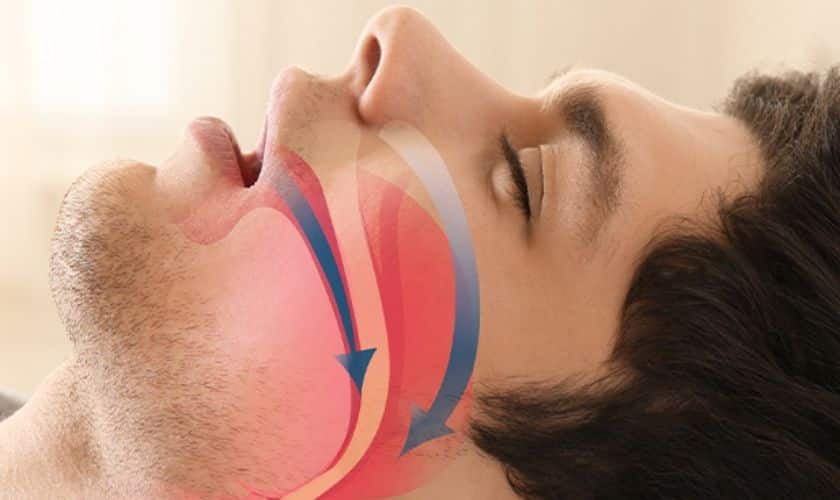
Sleep apnea is a sleep disorder that involves pauses in breathing during sleep, resulting in poor quality of sleep. It can affect your ability to function during the day and can even result in serious health issues if left untreated. Common symptoms include snoring, waking up frequently throughout the night, and daytime fatigue. Sleep apnea can be caused by a variety of factors, including obesity and lifestyle choices such as smoking and drinking alcohol. Thankfully, there are several therapies available to help individuals manage this disorder.
1: Lifestyle Changes
Making healthy lifestyle changes is the first step in managing sleep apnea. This includes losing weight if necessary, quitting smoking, reducing alcohol consumption and avoiding sedatives. Sleep apnea may also be improved by changing sleeping habits such as going to bed at the same time every night, creating a comfortable sleep environment and not using electronic devices in bed.
2: Sleep Apnea Devices
Sleep apnea devices are available to help individuals manage this disorder. Continuous Positive Airway Pressure (CPAP) machines are the most common type of device used and provide air pressure to the throat while you sleep, allowing you to keep your airway open. Other devices such as oral appliances and positional therapy can also be used depending on the individual’s specific needs.
Everyone in this office is friendly and warm and kind. Dr. Strom took a long time to get to know me and my husband. He’s super smart, friendly and thorough, and made us feel safe. We are very lucky to have found him, his partner and their staff.
Don’t just take our word for it – our happy patients in Beverly Hills have spoken! Check out our latest Google reviews and see why we’re the trusted choice for your smile.
3: Sleep Apnea Surgery
For some individuals, surgery may be recommended to treat sleep apnea. This type of surgery typically involves removing tissue in the throat or reshaping the jawbone to reduce obstruction. It is important to discuss all options with your doctor before undergoing any surgical procedure.
Sleep Apnea Diagnosis
If you suspect you may have sleep apnea, it is important to speak to your doctor and get a proper diagnosis. Sleep studies are typically used to diagnose sleep apnea and involve spending the night at a lab where technicians measure your breathing, heart rate and other vital signs. This information can be used to determine the best treatment plan for your individual needs.
1: Sleep Apnea Treatment Plan
Once you have been diagnosed with sleep apnea, your doctor can devise a treatment plan that is tailored to you. This may include lifestyle changes and use of devices such as CPAP machines, oral appliances or positional therapy. Surgery may be recommended in some cases.
Struggling with sleep apnea and looking for effective solutions? Sedation dentistry may offer a comfortable and helpful approach to your treatment—find out more here.
2: Sleep Apnea Support
Managing sleep apnea can be difficult, so it is important to have a support system in place. This could include family and friends, support groups or online forums. It is also helpful to track your progress and make changes if necessary.
3: Sleep Apnea Sleep Tracker
A sleep tracker can be helpful in managing your sleep apnea. This involves using a device to track your sleep patterns, such as how many times you wake up and how long it takes you to fall asleep. Sleep trackers can help you determine if lifestyle changes or treatments are effective, so that you can adjust them as needed.
Conclusion:
Sleep apnea is a serious sleep disorder that can have a negative impact on both your physical and mental health. However, there are several therapies available to help individuals manage this condition. Lifestyle changes, devices and surgery may all be used to treat sleep apnea depending on the individual’s needs. It is important to work with your doctor to devise the best treatment plan for you.
Sleep apnea might seem like a nightly inconvenience, but its impact reaches far beyond restless sleep—it can affect your mood, focus, and even long-term heart health. Thankfully, advancements in sleep apnea therapies have made it possible to control and even eliminate symptoms safely and effectively. Whether it’s through CPAP machines, custom oral appliances, or minimally invasive surgical options, today’s treatments are designed to fit your unique needs and lifestyle.
By committing to your treatment plan and making healthy lifestyle choices, you can enjoy uninterrupted sleep, better energy levels, and a stronger sense of well-being. Remember, addressing sleep apnea isn’t just about improving sleep—it’s about improving life. So, take the first step toward peaceful nights and brighter days by consulting your sleep specialist and exploring the therapy that works best for you.
Find out why new patients in Beverly Hills are choosing us – check our recent Google reviews.
FAQs:
Q1: How do I know if I really have sleep apnea or if it’s just snoring?
While snoring is a common symptom of sleep apnea, not everyone who snores has it. The key difference is that sleep apnea causes pauses in breathing during sleep, often followed by gasping or choking sounds. If you feel tired during the day despite sleeping enough hours, it’s best to get a sleep study done for a clear diagnosis.
Q2: What happens during a sleep study?
During a sleep study, your breathing, oxygen levels, heart rate, and movements are monitored while you sleep. This helps your doctor determine if you have sleep apnea and how severe it is. Some studies are done at a sleep center, while others can be completed at home using portable devices.
Q3: Are sleep apnea machines uncomfortable to use?
Many people worry that CPAP machines are bulky or uncomfortable. However, newer models are smaller, quieter, and more adaptable. Masks now come in different shapes and sizes to fit comfortably, and your provider can help you find one that works best for you.
Q4: Can sleep apnea go away on its own if I lose weight or change my habits?
Weight loss, quitting smoking, and reducing alcohol can significantly improve symptoms, but sleep apnea rarely disappears entirely without treatment. Even mild cases can benefit from professional therapy to ensure safe and consistent breathing during sleep.
Q5: Is sleep apnea therapy something I have to continue forever?
Treatment depends on your condition’s severity and cause. Some people may need long-term therapy, while others might improve enough with lifestyle changes or corrective surgery to reduce or stop device use. Regular check-ups help determine the right plan for you.