
April 11, 2025
Ever wake up feeling like you haven’t slept a wink, even after a full eight hours? Or maybe your partner’s nightly symphony of snores is keeping you both up? You’re not alone. According to the American Sleep Apnea Association, a staggering 22 million Americans suffer from sleep apnea. That’s a lot of restless nights! But what if I told you that your dentist’s chair could be the key to a better night’s sleep? Intrigued? Let’s dive into how sedation dentistry can play a crucial role in sleep apnea treatment.
Understanding the Sleep Apnea Connection
Sleep apnea, particularly obstructive sleep apnea (OSA), occurs when the soft tissues in the back of your throat relax and block your airway during sleep. This leads to repeated pauses in breathing, often accompanied by loud snoring. These interruptions can lead to serious health issues, including high blood pressure, heart disease, and type 2 diabetes. The National Sleep Foundation reports that individuals with untreated sleep apnea are at a significantly higher risk for these conditions.
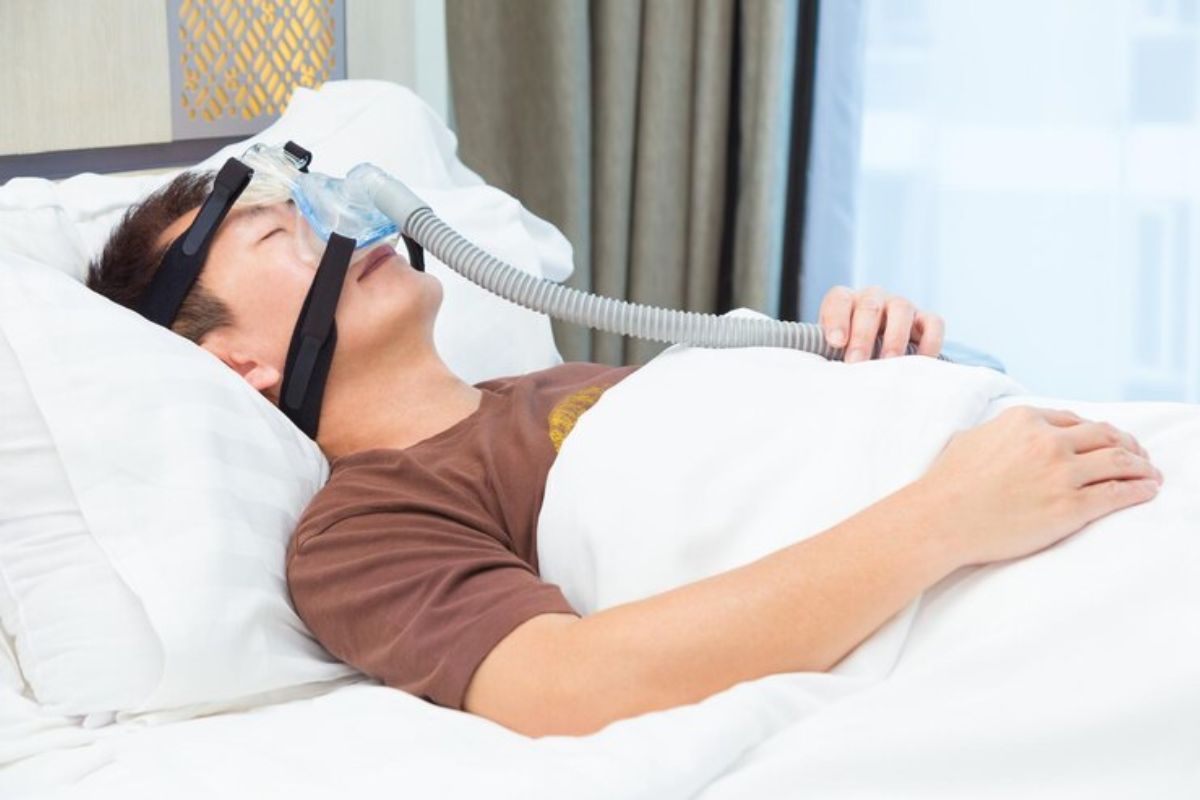
Traditional treatments for sleep apnea include continuous positive airway pressure (CPAP) machines, which can be cumbersome and uncomfortable for some. However, dental appliances, customized by a dentist, are also a viable option. And sometimes, the process of getting these appliances, or even just being examined, can be daunting for patients. That’s where sedation dentistry comes in.
Sedation Dentistry: More Than Just a Relaxing Visit
Sedation dentistry involves using medication to help patients relax during dental procedures. It ranges from mild sedation, like nitrous oxide (laughing gas), to deeper sedation, where you are barely conscious. For sleep apnea, sedation can be particularly beneficial during:
- Appliance Fittings: Custom-made oral appliances, like mandibular advancement devices (MADs), are often prescribed to keep the airway open. These fittings require precise measurements and adjustments. For patients with dental anxiety, sedation can make this process much more comfortable.
- Diagnostic Procedures: Some diagnostic procedures, such as taking detailed impressions or X-rays, can be uncomfortable for some individuals. Sedation can alleviate anxiety and ensure accurate results.
- Addressing Underlying Dental Issues: Sometimes, underlying dental issues, such as misaligned jaws or teeth, can contribute to sleep apnea. Sedation allows dentists to address these issues more efficiently and effectively.
The Numbers Don’t Lie
A study published in the Journal of Dental Sleep Medicine highlighted the significant role of dental appliances in managing OSA. The study found that properly fitted oral appliances can reduce the apnea-hypopnea index (AHI) – a measure of sleep apnea severity – by more than 50% in many patients. Furthermore, the American Academy of Dental Sleep Medicine emphasizes the importance of collaboration between dentists and sleep specialists for optimal patient outcomes.
According to a study published by the ADA (American Dental Association), approximately 36% of Americans have dental anxiety. Sedation dentistry can reduce this anxiety, which may lead to more patients getting the treatment they require.
Making the Process Easier
For many, the idea of visiting the dentist triggers anxiety. Sedation dentistry eliminates this fear, making the process of getting fitted for a sleep apnea appliance or addressing related dental issues much smoother. By reducing anxiety, patients are more likely to adhere to their treatment plans, leading to better outcomes.
Finding Your Peaceful Night’s Sleep
If you suspect you have sleep apnea, don’t hesitate to talk to your qualified dentist in Beverly Hills. Sedation dentistry might just be the gentle push you need to get the treatment you deserve. With the right approach, you can finally say goodbye to restless nights and hello to a more refreshed and healthier you.
Remember, a good night’s sleep is essential for overall health and well-being. And sometimes, the solution lies right in your dentist’s chair.