
March 24, 2023
Do you dread going to the dentist? Does just thinking about sitting in that chair make your heart race and palms sweat? If so, you’re not alone. For many people, dental anxiety can be a real obstacle to getting the care they need for a healthy, happy smile. But what if we told you there’s a way to overcome that fear and get the treatment you deserve? Sedation dentistry is an increasingly popular option for those who want to relax and feel comfortable during their dental procedures. In this post, we’ll explore how sedation dentistry works, why it’s safe and effective, and how it might be just what you need to finally achieve the smile of your dreams.
What is Sedation Dentistry?
Sedation dentistry is a safe and effective way to get the smile you want. It can help you overcome your fear of going to the dentist, and it can make it easier to get the dental care you need. Sedation dentistry uses medication to help you relax during dental procedures. There are different types of sedation, and your dentist will choose the one that’s right for you based on your level of anxiety and your medical history.
With sedation dentistry, you may not be completely asleep, but you will be very relaxed and may not remember much about the procedure. You will need someone to drive you home after your appointment because the effects of sedation can last for several hours. If you have been avoiding the dentist because of fear or anxiety, sedation dentistry can help you get the care you need in a safe and comfortable way. Talk to your dentist about whether sedation dentistry is right for you.
Benefits of Sedation Dentistry
Sedation dentistry offers many benefits for patients who experience anxiety or fear when visiting the dentist. With sedation, you can feel relaxed and comfortable during your dental procedure while remaining aware of your surroundings. This type of dentistry is also effective for patients who have a sensitive gag reflex or need a lengthy procedure completed.
Types of Sedation Used in Dentistry
There are a variety of sedation dentistry options available to patients who experience anxiety about visiting the dentist. The type of sedation will be determined by the dental team based on the patient’s level of anxiety, medical history, and other factors.
The most common types of sedation used in dentistry are inhalation sedation (laughing gas), oral sedation (a pill taken by mouth), and intravenous (IV) sedation (a medication administered through the veins).
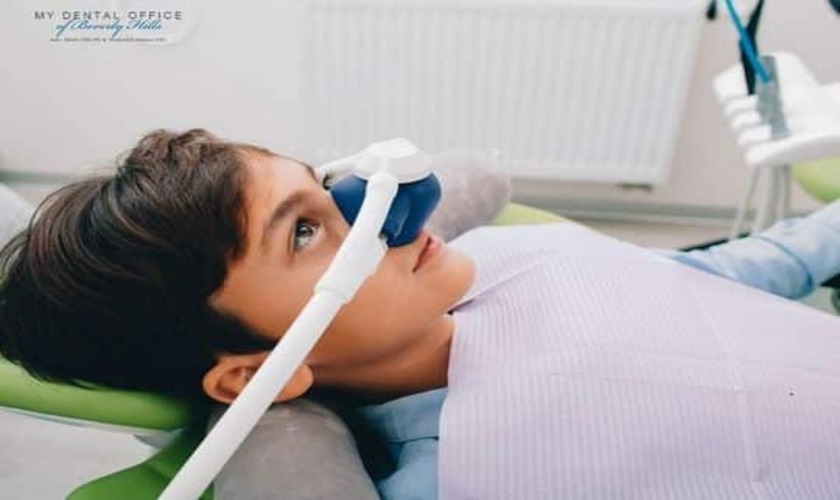
Inhalation Sedation: Inhalation sedation, also known as nitrous oxide or “laughing gas,” is a very safe and effective form of sedation. It is inhaled through a small mask that is placed over the nose during treatment. The patient remains awake and is able to respond to questions and commands from the dentist. The effects of nitrous oxide wear off soon after the mask is removed.
Oral Sedation: Oral sedatives are taken by mouth in pill form before the appointment. They can range from mild to moderate in strength. The most common oral sedative used in dentistry is diazepam (Valium). Patients who receive oral sedatives may feel drowsy and have little memory of the procedure.
Intravenous Sedation: Intravenous (IV) sedation is administered through a vein in the arm and takes effect quickly. It can range from light to deep levels of sedation depending on the patient’s needs. It is commonly used for dental procedures that require a longer period of time, such as wisdom teeth removal or complex restorative procedures. Patients who receive IV sedation may remain awake but feel very relaxed and may not remember much of the procedure.
No matter which type of sedation dentistry is chosen, it is important that the patient be monitored closely by a qualified dental professional throughout the entire procedure.
How to Prepare for a Sedation Dentistry Appointment
If you’re considering sedation dentistry for your next dental procedure, there are a few things you should do to prepare. First, be sure to tell your dentist about any medical conditions you have and any medications you’re taking. You’ll also need to arrange for someone to drive you to and from your appointment, as sedatives can impair your ability to drive.
When you arrive at the dentist office, you’ll be asked to sign a consent form indicating that you understand the risks and benefits of sedation dentistry. Once you’re settled in the dental chair, the dentist will administer the sedative through an IV or pill form. You may feel drowsy and relaxed, but you’ll still be able to respond to questions and directions from the dentist.
The length of your procedure will determine how long the effects of the sedative last. For example, if you’re having a simple filling placed, the effects may wear off in a few hours. However, if you’re undergoing a more involved procedure like a root canal, the effects could last up to 24 hours.
After your procedure is complete, someone will need to drive you home and stay with you for at least 24 hours until the effects of the sedative have worn off completely. During this time, it’s important to avoid operating heavy machinery or driving. You should also avoid alcohol and other drugs as they can interact negatively with the sedative medication.
Risks and Side Effects of Sedation Dentistry
There are some risks associated with sedation dentistry, as with any medical procedure. The most common side effects are mild and include drowsiness, light headedness, and dizziness. These side effects typically resolve within a few hours after the procedure is completed. There is also a small risk of more serious side effects, such as low blood pressure, slow heart rate, and respiratory depression. These side effects are rare and usually occur only when high doses of sedatives are used. Patients who experience these side effects will be closely monitored by the dental team and will be kept comfortable until they resolve.
Alternatives to Sedation Dentistry
There are many people who are afraid of the dentist. This can be for a variety of reasons, including a bad experience in the past, a fear of needles, or a general anxiety about having someone else work on their teeth. Whatever the reason, sedation dentistry can be a great option for those who want to get the dental care they need without having to worry about being anxious or uncomfortable.
However, sedation dentistry is not right for everyone. There are some risks involved, and it is important to make sure that you are healthy enough to undergo sedation before you book an appointment. Additionally, sedation dentistry can be quite expensive. If you are looking for an alternative to sedation dentistry, there are a few options available.
One option is to find a dentist who specializes in treating patients with dental anxiety. These dentists have often undergone special training in order to help them understand how to best deal with patients who are anxious or fearful. They may offer different methods of treatment, such as numbing agents or relaxation techniques that can help make the experience more comfortable for you.
Another alternative is to look into what is called “oral conscious sedation.” This type of sedation does not require you to be put completely under anesthesia like general anesthesia does. Instead, you will simply take a pill before your appointment that will help you relax during the procedure. This method is often much less expensive than traditional Sedation Dentistry and can still be very effective in helping you get through your appointment without feeling too anxious.
Finally, there are also certain types of distraction techniques that can help make the experience more comfortable for you. Listening to music or watching a movie during the procedure can help take your mind off of what is actually happening and make it easier to relax.
Conclusion
Sedation dentistry is a safe and effective way to receive the dental treatments you need or want without fear or discomfort. If you are looking for an alternative option to traditional dentistry, sedation dentistry may be right for you. It is important to discuss your options with your dentist in order to find out what type of sedative they offer and how it can help improve your overall oral health experience. With its ability to reduce stress, pain, and anxiety associated with routine visits, sedation dentistry could be the perfect solution for those who have been avoiding the dentist due to fear or anxiety.
Sedation dentistry also offers many patients an opportunity to complete longer and more complex treatments in a single visit. This can be especially beneficial for those who have limited time or difficulty scheduling multiple visits. With the help of sedation, you can have the smile you have always wanted without the fear and discomfort that often comes along with traditional dental treatments.
Overall, sedation dentistry is a safe and effective way to achieve the results you desire without fear or anxiety. By discussing your options with your dentist, you can determine if sedation dentistry is right for you.
FAQs
Sedation dentistry is a safe and effective way to get the smile you want. It can be used to treat a wide variety of dental problems, from simple procedures to more complex ones. Here are three FAQs about sedation dentistry:
Q. What is sedation dentistry?
A. Sedation dentistry is a type of dental care that uses medication to help patients relax during treatment. There are different types of sedation, including oral sedation (a pill taken by mouth), IV sedation (a medication given through a vein), and inhalation sedation (a gas inhaled through a mask). Sedation dentistry can be used for a wide variety of dental procedures, from simple cleanings and fillings to more complex procedures like root canals or tooth extractions.
Q. Is sedation dentistry safe?
A. Yes, sedation dentistry is safe when it is performed by a trained and licensed dentist. The type and amount of medication used will be based on your individual needs and health history. You will be closely monitored throughout the procedure to ensure your safety.
Q. How long does the effects of sedation last?
A. The effects of sedation vary depending on the type of medication used. For oral or IV sedatives, the effects usually last for several hours after the procedure is complete. For inhalation sedatives, the effects typically wear off within minutes after the procedure is finished.