
April 27, 2026
In a place like Beverly Hills, where confidence often shows up in your smile before anything else, people care deeply about how their teeth look and function. Whether you are heading into a meeting, catching up over coffee on Canon Drive, or attending an event, your smile plays a role in how you present yourself. That is why more people are asking not just how to straighten their teeth, but also whether modern solutions can address more complex dental concerns.
Invisalign has become a popular choice for those who want a more discreet way to improve their smile. But if you are dealing with crowding, bite issues, or teeth that have shifted over time, you may wonder if it is enough. The answer is not always simple, but it is often more encouraging than people expect.
What Counts as a Complex Dental Issue
When dentists talk about complex cases, they are referring to more than just slightly crooked teeth. These situations often involve multiple concerns happening at once. For example, a person might have overlapping teeth, a bite problem, or significant spacing that affects both appearance and function.
Common complex issues include severe crowding, overbite, underbite, crossbite, open bite, and teeth that have rotated or shifted significantly. In some cases, past dental work or missing teeth can also add to the complexity.
These concerns are not just cosmetic. They can affect how you chew, how you speak, and even how easy it is to keep your teeth clean. That is why choosing the right treatment matters.
What Is Invisalign and How Does It Work?
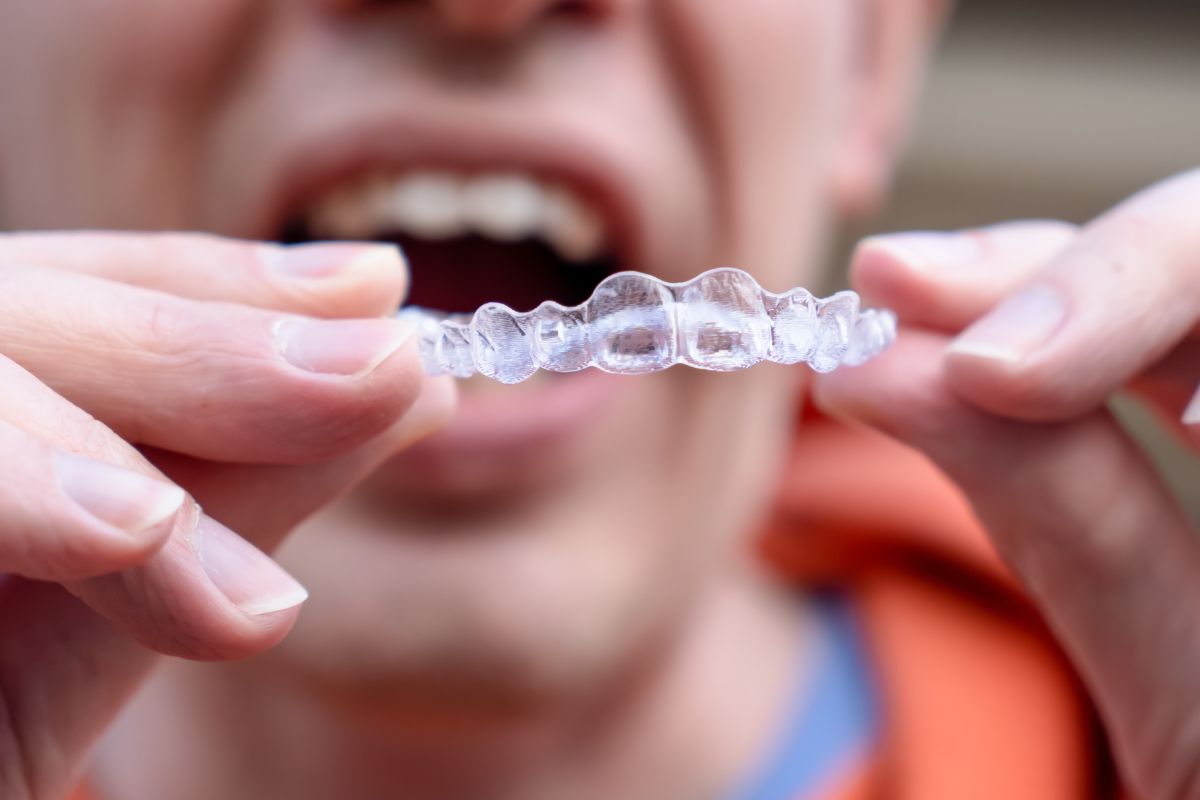
Invisalign uses a series of clear aligners that gradually move your teeth into better alignment. Each set of aligners is designed to apply gentle pressure in specific areas, guiding your teeth step by step.
Unlike traditional braces, there are no wires or brackets. The aligners are removable, which makes eating and brushing easier. This flexibility is one of the main reasons people choose Invisalign, especially adults who want a more subtle approach.
The technology behind Invisalign has improved significantly over the years. Dentists now use advanced imaging to map out your entire treatment plan before you even begin. This allows for more precise movements and better outcomes, even in more challenging cases.
What Dental Problems Can Invisalign Treat
Invisalign can address a wide range of orthodontic concerns, going beyond simple cosmetic fixes. Here’s a closer look at how it helps with some of the most common dental issues:
Crooked or Misaligned Teeth
When teeth are out of alignment, it becomes harder to clean between them properly. This can lead to plaque buildup, cavities, and gum problems over time. Invisalign gradually moves teeth into a more natural position, making daily oral care easier while also improving the overall appearance of your smile.
Overbite
An overbite occurs when the upper teeth sit too far over the lower teeth. If left untreated, it can cause uneven wear on teeth and strain on the jaw. Invisalign works by slowly adjusting tooth position, helping to create a more even and comfortable bite.
Underbite
With an underbite, the lower teeth extend past the upper teeth. This can make chewing less efficient and may affect speech or facial balance. Invisalign aligners, sometimes used alongside elastics, can guide teeth into better alignment and improve overall function.
Gaps Between Teeth
Spaces between teeth are not just a cosmetic concern. They can trap food particles, increasing the risk of gum issues. Invisalign helps close these gaps over time, resulting in a more uniform and healthier smile.
Open Bite
An open bite means the upper and lower teeth do not touch when the mouth is closed. This can interfere with chewing and even speech. Invisalign helps bring the teeth into proper contact, improving both function and comfort.
Can Invisalign Handle Complex Cases
The short answer is yes, in many situations, Invisalign can treat complex dental issues. However, it depends on the specific condition and its severity.
In the past, Invisalign was mostly used for mild to moderate alignment problems. Today, with advancements in planning software and aligner design, it can address a much wider range of concerns. Attachments, which are small, tooth-colored shapes placed on teeth, help guide more precise movements. Elastics can also be used to correct bite issues.
That said, not every case is suitable for Invisalign alone. Some severe conditions may still require traditional orthodontic methods or a combination of treatments. A thorough evaluation by a dental professional is the only way to know for sure.
Is Invisalign Right for You
If you are dealing with complex dental concerns, the best first step is a consultation. A dentist can evaluate your teeth, discuss your goals, and determine whether Invisalign is a suitable option.
For many people in Beverly Hills, the appeal of discreet, flexible treatment makes Invisalign worth considering. When combined with the right expertise, it can deliver results that go beyond what people once thought possible with clear aligners.
Tips to Stay on Track with Invisalign
To get the best results, consistency is key:
- Wear aligners for the recommended hours each day
- Clean them regularly using gentle methods
- Remove them before eating or drinking anything other than water
- Brush and floss after meals before putting them back in
Small habits can make a big difference in how smoothly your treatment progresses.
Benefits Beyond Appearance
While many people start Invisalign for cosmetic reasons, the benefits often extend beyond aesthetics. Properly aligned teeth are easier to clean, reducing the risk of cavities and gum disease. A balanced bite can also relieve strain on your jaw and improve overall comfort.
For those dealing with complex issues, these functional improvements can make a noticeable difference in everyday life. Eating becomes easier, and there is often less tension in the jaw and facial muscles.
Understanding the Limitations
While Invisalign is a versatile and effective orthodontic option, it is not suitable for every case. More complex issues, such as significant jaw misalignment or intricate tooth movements, may require alternative treatments or a combination of approaches for optimal results.
That’s why a personalized consultation with a dental professional is essential. It allows for a thorough evaluation of your specific condition and helps determine the most appropriate treatment plan tailored to your needs.
Transform Your Smile with Expert Care in Beverly Hills
With the right plan and consistent effort, Invisalign can deliver impressive results, even in more complex cases.
At My Dental Office of Beverly Hills, every treatment plan is carefully designed to match your unique smile goals. With modern technology and a patient-focused approach, our experienced dental team works to ensure your journey is smooth, efficient, and rewarding.
If you’re ready to explore your orthodontic options, scheduling a consultation at our Beverly Hills office today is the first step toward a healthier, more confident smile.
FAQs About Invisalign for Complex Dental Problems
1. Can Invisalign treat complex dental problems effectively?
Yes, Invisalign can treat many complex dental issues, including bite misalignment, crowding, and spacing concerns. With advanced digital planning and features such as attachments and elastics, aligners can achieve precise tooth movement. However, the effectiveness depends on the severity of the case. A professional evaluation is essential to determine if Invisalign alone is the best option.
2. How long does Invisalign take for complex cases?
The treatment timeline for complex cases typically ranges from 12 to 24 months, depending on the difficulty of the alignment issues. Some cases may take longer if additional corrections are needed. Consistently wearing aligners for the recommended 20–22 hours per day helps keep the process on track. Regular checkups also ensure steady progress.
3. Is Invisalign as effective as traditional braces for advanced issues?
In many cases, Invisalign can be just as effective as traditional braces, especially for mild to moderate and some complex conditions. Modern aligners offer improved control and precision through customized treatment planning. However, very severe or skeletal issues may still require braces or additional procedures. Your dentist will recommend the most suitable option.
4. Are Invisalign attachments noticeable during treatment?
Attachments are small, tooth-colored shapes placed on certain teeth to help guide movement. While they may be slightly visible up close, they blend well with your natural teeth and are not very noticeable in everyday interactions. Most patients quickly adjust to them, and they play an important role in improving treatment effectiveness.
5. Can teenagers with complex cases use Invisalign?
Yes, many teenagers are good candidates for Invisalign, even with more advanced alignment issues. Invisalign Teen is designed specifically for younger patients, with features that support growing teeth. However, success depends heavily on compliance, so wearing aligners as instructed is crucial. Regular monitoring ensures the treatment stays on track.
6. Will I need to wear retainers after Invisalign treatment?
Yes, wearing retainers after completing Invisalign treatment is essential to maintain your results. Teeth naturally tend to shift over time, especially after orthodontic correction. Retainers help keep your teeth in their new position and protect your investment. Your dentist will guide you on how often to wear them for long-term stability.