
March 28, 2025
Ever wake up feeling like you haven’t slept a wink, even after a full night? Or maybe your partner complains about your loud snoring? You’re not alone. Sleep apnea affects an estimated 22 million Americans, according to the American Sleep Apnea Association. That’s a significant portion of the population struggling with disrupted sleep and its associated health risks. But did you know your dentist could play a crucial role in managing this condition? Let’s dive into how sedation dentistry can be a game-changer in sleep apnea treatment.
Understanding the Sleep Apnea Struggle
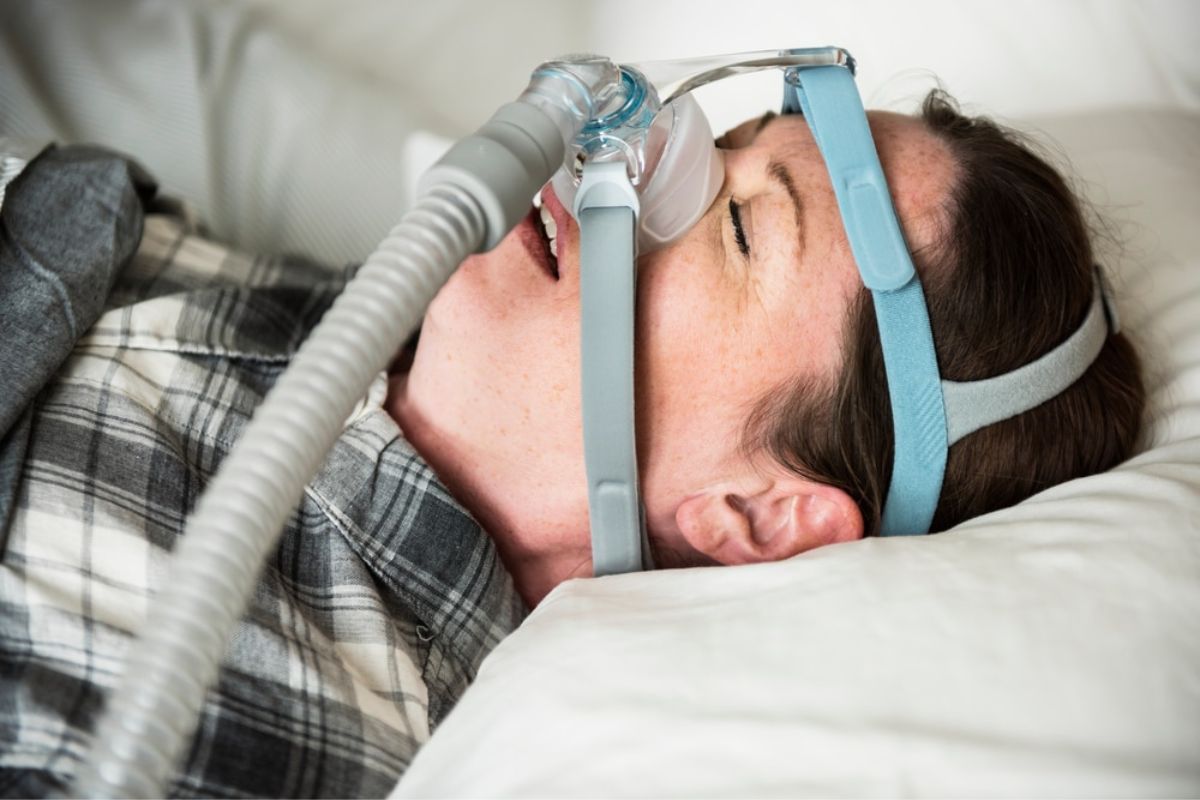
Sleep apnea is a disorder characterized by pauses in breathing or shallow breaths during sleep. These interruptions can occur hundreds of times a night, leading to fragmented sleep and oxygen deprivation. According to the National Sleep Foundation, obstructive sleep apnea (OSA), the most common type, occurs when the soft tissues in the back of the throat relax and block the airway. This blockage can lead to serious health problems, including high blood pressure, heart disease, and stroke.
The Dental Connection
Dentists are uniquely positioned to address sleep apnea because they have expertise in the oral and maxillofacial structures. In many cases, oral appliances are used to reposition the jaw or tongue, keeping the airway open. These appliances are often custom-fitted by dentists.
Enter Sedation Dentistry
Now, here’s where sedation dentistry comes into play. For many individuals, the thought of dental procedures, including fitting for oral appliances, can induce significant anxiety. A study published in the Journal of Dental Anesthesia and Pain Medicine found that dental anxiety affects between 5% and 15% of the general population. This anxiety can be a major barrier to seeking necessary treatment.
Sedation dentistry offers a solution by providing a relaxed and comfortable experience. Here’s how it helps:
- Reduced Anxiety: Sedation techniques, ranging from nitrous oxide (laughing gas) to oral sedatives or IV sedation, can significantly reduce anxiety and fear. This allows patients to undergo necessary procedures without stress.
- Enhanced Comfort: For patients with a strong gag reflex or difficulty sitting still for extended periods, sedation makes the process more comfortable. This is particularly beneficial during the fitting of oral appliances, which require precise measurements and adjustments.
- Improved Treatment Outcomes: By minimizing patient discomfort and movement, sedation can help dentists achieve more accurate and effective appliance fittings, leading to better treatment outcomes.
Types of Sedation Used
- Nitrous Oxide: This mild sedative is inhaled and provides a sense of relaxation. It wears off quickly, allowing patients to resume normal activities shortly after the procedure.
- Oral Sedation: Administered as a pill, oral sedation provides moderate relaxation. Patients remain conscious but feel very calm.
- IV Sedation: This deeper form of sedation is administered intravenously, inducing a state of deep relaxation. Patients may be partially or fully conscious but will have little to no memory of the procedure.
The Impact on Sleep Apnea Treatment
Using sedation dentistry can make the process of getting fitted for an oral appliance easier. This can increase patient compliance with the treatment. Oral appliances are an effective treatment for mild to moderate OSA. A study published in the Journal of Clinical Sleep Medicine showed that oral appliance therapy improved sleep quality and reduced apnea-hypopnea index (AHI) scores in patients with OSA.
Finding the Right Dentist
It’s crucial to find a dentist experienced in both sedation dentistry and sleep apnea treatment. Look for a dentist who:
- Is certified in sedation dentistry.
- Has experience in fitting oral appliances.
- Works closely with sleep specialists.
Conclusion
Sleep apnea can significantly impact your quality of life, but effective treatments are available. Sedation dentistry can make the process of getting oral appliance treatment less stressful, and therefore more effective. By addressing anxiety and enhancing comfort, sedation dentistry can help you achieve better sleep and improve your overall health. If you suspect you have sleep apnea, talk to your qualified dentist in Beverly Hills. A good night’s sleep is within reach!