
February 25, 2026
When you’re facing tooth loss due to injury, decay, or gum disease, choosing the right replacement option is an important decision. Two of the most trusted solutions in modern dentistry are dental implants and dental bridges. While both can restore your smile and chewing ability, they function in very different ways.
In this blog, you’ll learn the key differences and benefits of these two modern tooth replacement options, helping you determine which solution is best suited for your needs.
Understanding These Two Tooth Replacement Options
A dental implant is an advanced tooth-replacement option that replicates your natural tooth from root to crown. A small titanium post is surgically placed into the jawbone, where it gradually fuses with the bone over several months. Once fully integrated, a custom dental crown is attached to the implant, creating a restoration that looks, feels, and functions like a natural tooth.
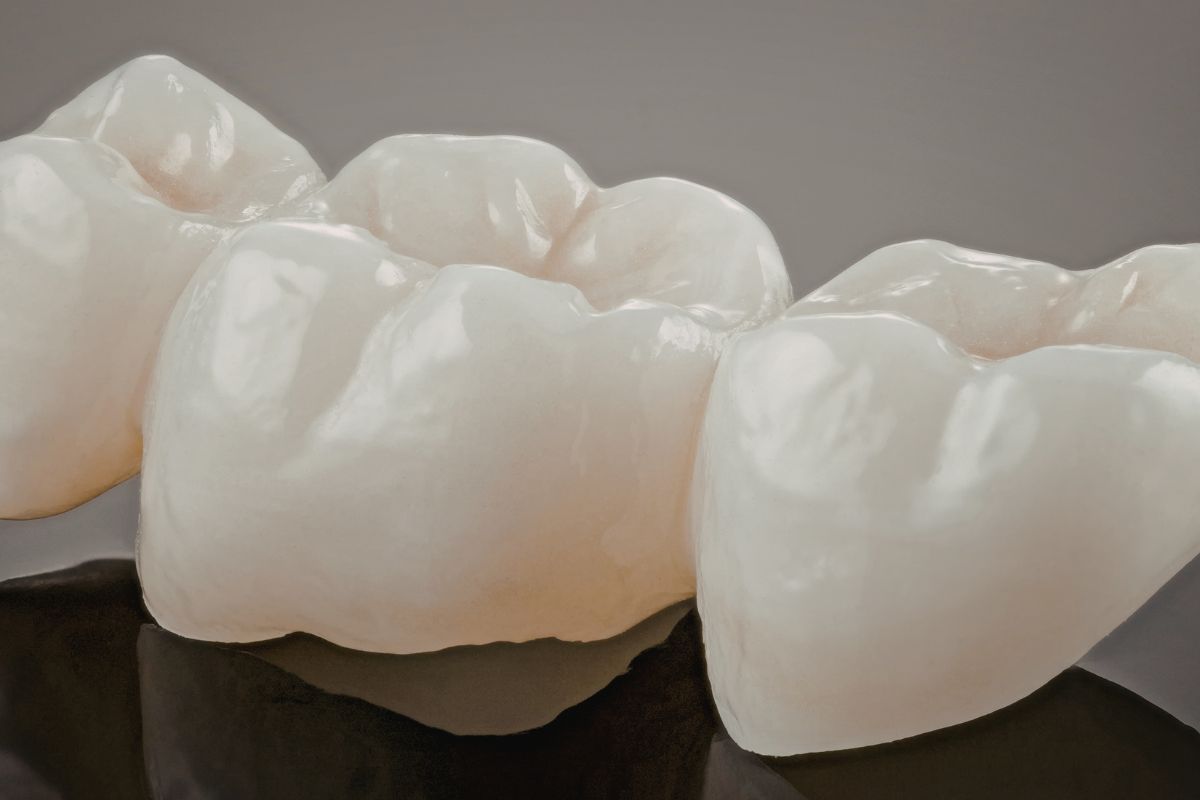
A dental bridge is another replacement option for a missing tooth by “bridging” the space between two healthy teeth. The restoration consists of one or more artificial teeth (called pontics) secured by dental crowns on the adjacent teeth. These neighboring teeth act as anchors, holding the bridge firmly in place.
The key difference is simple:
Implants are independent and self-supporting, while bridges rely on surrounding teeth for stability.
Treatment Timeline: How Long Does It Take?
If timing is a priority, dental bridges typically offer a faster solution. Most bridges can be completed within two to three dental visits over a few weeks. After preparing the supporting teeth and taking impressions, your custom bridge is placed and adjusted for comfort.
Dental implants require more patience. After the titanium post is placed, the jawbone needs time to heal and integrate with the implant, usually 2 to 6 months. Once healing is complete, the final crown is attached. While implants take longer, many patients feel the long-term benefits outweigh the extended timeline.
Impact on Neighboring Teeth
One important factor to consider is how each option affects your existing teeth.
To place a traditional bridge, the adjacent healthy teeth must be reshaped to accommodate crowns. This involves permanently removing enamel, and those teeth will always require crown protection moving forward.
Dental implants, on the other hand, do not impact neighboring teeth at all. They function independently and preserve the natural structure of surrounding teeth. For patients with healthy adjacent teeth, this preservation is often a significant advantage.
Jawbone Health and Long-Term Stability
After tooth loss, the jawbone in that area begins to shrink due to a lack of stimulation. This bone loss can eventually affect facial structure and overall oral health.
Dental implants help prevent this issue. Because they replace the tooth root, implants stimulate the jawbone during chewing, maintaining bone density and preserving facial contours.
Dental bridges do not provide this benefit. While they restore the visible portion of the tooth, they do not replace the root, so bone loss in that area can continue over time.
Daily Maintenance and Care
Dental implants are easy to maintain. Once healed, you care for them just like natural teeth, brushing, flossing, and routine dental checkups.
Dental bridges require a bit more attention. Cleaning underneath the bridge requires special floss threaders or water flossers to prevent plaque buildup. Proper hygiene is essential to protect the supporting teeth and prevent decay.
When Is a Dental Bridge the Better Option?
Although implants offer many advantages, bridges are still an excellent choice in certain situations:
- When multiple adjacent teeth are missing
- When jawbone density is insufficient for implant placement
- When medical conditions make surgery inadvisable
- When a faster solution is needed
- When budget limitations are a concern
For some patients, especially those replacing several teeth in a row, a bridge may be more practical and cost-effective.
Making the Right Choice
Choosing between a dental implant and a bridge ultimately depends on several important factors, including:
- Your overall health
- The condition and density of your jawbone
- The health of your surrounding teeth
- Your budget and long-term dental goals
- Your lifestyle and availability for treatment
A consultation with an experienced dental professional is essential to carefully evaluate your individual needs and guide you toward a confident, well-informed decision.
Restore Your Smile with Confidence
Whether you choose a dental bridge or a dental implant, both options can effectively restore your smile, confidence, and ability to chew comfortably. The key is selecting the solution that best aligns with your oral health needs and lifestyle. At My Dental Office of Beverly Hills, our experienced team is committed to helping you choose the right treatment for your long-term dental health, tailored to your unique needs.
If you’re considering tooth replacement, contact our Beverly Hills office today and take the first step toward a healthier, stronger smile.
FAQs About the Differences Between Dental Bridges and Dental Implants
1: How long does a dental bridge last?
A dental bridge typically lasts between 7 to 15 years, depending on oral hygiene and regular dental visits. With excellent care, some bridges can last even longer. Proper cleaning and avoiding excessive pressure help extend their lifespan.
2: Can a dental bridge replace multiple missing teeth?
Yes, a dental bridge can replace one or several missing teeth in a row. The number of teeth replaced depends on the strength of the supporting teeth. Your dentist will evaluate whether the adjacent teeth can handle the load.
3: Do dental bridges require special cleaning?
Yes, bridges require careful cleaning underneath the artificial tooth to prevent plaque buildup. Special floss threaders or water flossers are often recommended. Maintaining good hygiene protects both the bridge and supporting teeth.
4: How soon can I eat normally after getting a bridge?
You can usually resume eating soft foods immediately after placement. Your dentist will advise you to avoid very hard or sticky foods for a few days to allow proper adjustment.
5: Will a dental bridge affect my speech?
There may be a short adjustment period after placement. Most patients adapt quickly and speak normally within a few days. Proper fit and adjustment help ensure comfort and clear speech.
6: Do dental bridges feel different from natural teeth?
There is usually a short adjustment period. Most patients adapt quickly and feel comfortable within a few days, though the sensation may differ slightly from natural teeth.