
May 2, 2025
Hey there, radiant smiles seekers! Ever stare into the mirror and notice a gap where a tooth used to be? It’s more common than you think! Millions of Americans deal with missing teeth, and if you’re one of them, you’ve probably wondered about the best way to fill that space. One popular solution that often pops up is a dental bridge. But is it the best option?
Let’s dive into the world of dental bridges, explore the stats, weigh the pros and cons, and see if it truly shines as the gold standard for replacing missing teeth.
What Exactly is a Dental Bridge?
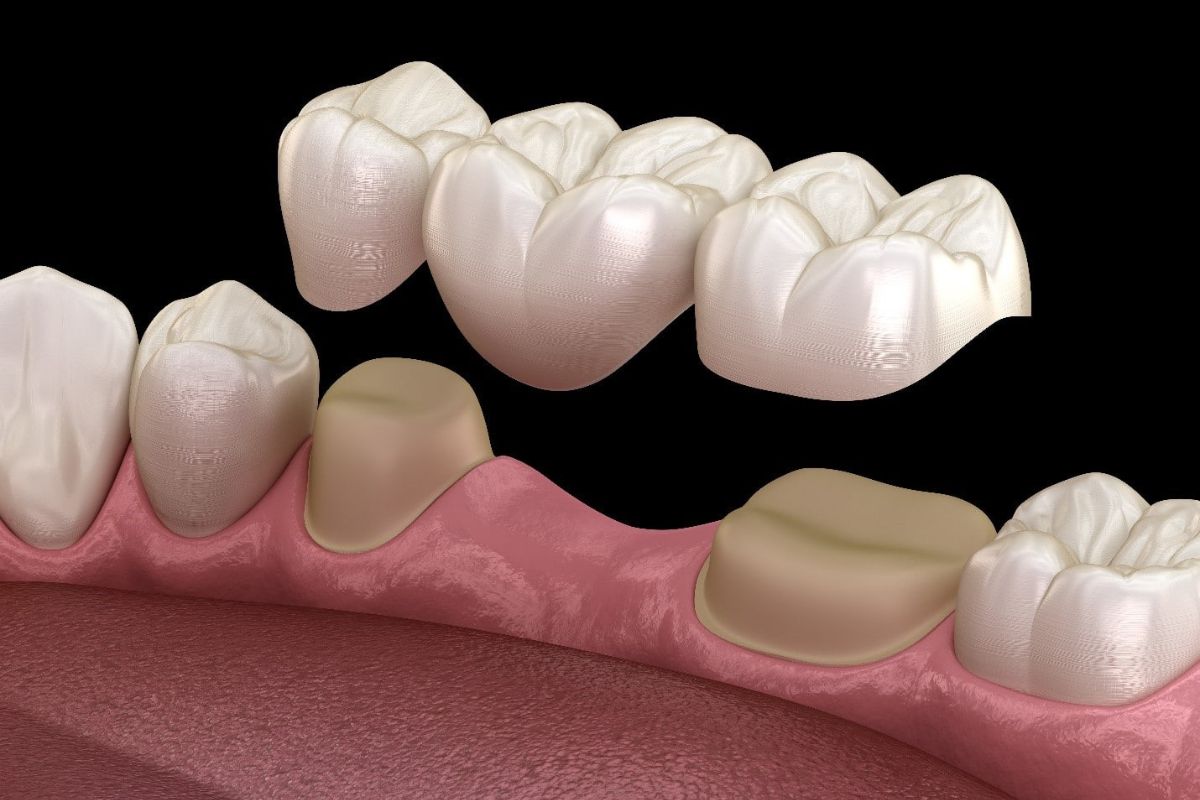
Think of a dental bridge as a custom-made appliance designed to “bridge” the gap created by one or more missing teeth. It typically consists of artificial teeth (pontics) anchored by crowns placed on the adjacent healthy teeth (abutment teeth). These abutment teeth act as supports, holding the pontic firmly in place.
The Popularity of Dental Bridges: By the Numbers
Dental bridges have been a reliable tooth replacement option for decades. While the popularity of dental implants has surged in recent years, bridges still hold a significant place in restorative dentistry. According to the American College of Prosthodontists, approximately 2.3 million implant-supported crowns, bridges, and dentures are placed annually in the United States. While this number combines various prosthetic options, a substantial portion of it includes traditional dental bridges.
Furthermore, a study published in the Journal of Prosthodontics indicated that the five-year survival rate for traditional fixed dental bridges ranges from 85% to 95%, highlighting their long-term reliability when properly maintained. This demonstrates that a significant number of people have successfully used dental bridges to restore their smiles and chewing function for many years.
The Case for Dental Bridges: Advantages
So, what makes dental bridges a compelling option for replacing missing teeth?
- Restored Aesthetics: A dental bridge can seamlessly fill the gap, restoring your smile’s appearance and boosting your confidence. According to a survey by the American Academy of Cosmetic Dentistry, 99.7% of adults believe a healthy smile is an important social asset. Filling missing teeth with a bridge can contribute significantly to achieving that healthy-looking smile.
- Improved Functionality: Missing teeth can make it difficult to chew and speak properly. A bridge restores your ability to bite, chew, and articulate clearly.
- Maintaining Facial Structure: Teeth provide support for facial muscles. When teeth are missing, the surrounding facial structure can sag, leading to premature aging. A bridge helps maintain the natural contours of your face.
- Preventing Adjacent Teeth from Shifting: When a tooth is missing, the adjacent teeth can shift into the space, causing misalignment and bite problems. A bridge acts as a placeholder, preventing this unwanted movement.
- Cost-Effectiveness (Potentially): In some cases, especially when adjacent teeth already require crowns, a dental bridge might be a more immediately cost-effective solution compared to dental implants, which involve a surgical procedure.
The Flip Side: Potential Drawbacks
While dental bridges offer numerous benefits, it’s crucial to consider the potential downsides:
- Impact on Abutment Teeth: Preparing the abutment teeth for crowns involves removing some healthy enamel. This alteration is permanent and can potentially weaken these teeth over time, making them more susceptible to decay or the need for root canals.
- Bone Loss: Unlike dental implants that stimulate the jawbone, a traditional dental bridge does not prevent bone loss in the area of the missing tooth. Over time, this can lead to changes in the gum line and potentially affect the stability of the bridge.
- Cleaning Challenges: Maintaining good oral hygiene around a dental bridge requires extra effort. Food particles can get trapped underneath the pontic, increasing the risk of decay and gum disease if not cleaned thoroughly. Special tools like floss threaders are often necessary.
- Replacement Needs: While durable, dental bridges are not permanent and typically need replacement every 5 to 15 years, depending on maintenance and individual factors.
So, Is a Dental Bridge the Best Option?
The truth is, there’s no one-size-fits-all answer. While dental bridges are a reliable and time-tested solution with numerous advantages, the “best” option for replacing missing teeth depends on individual circumstances, including:
- The number and location of missing teeth.
- The condition of the adjacent teeth.
- Bone density in the area of the missing tooth.
- Your overall oral health.
- Your budget and personal preferences.
Dental implants, for instance, offer the benefit of bone stimulation and don’t require altering adjacent healthy teeth, making them a preferred option for many. However, they involve a surgical procedure and can have a higher upfront cost.
The Bottom Line
Dental bridges are undoubtedly a valuable tool in restorative dentistry, offering a reliable way to restore your smile, function, and confidence. However, whether it’s the best option for you is a conversation you need to have with your qualified dentist in Beverly Hills. They can assess your specific needs and circumstances, discuss all available options (including dental implants and dentures), and help you make an informed decision that leads to a healthy and happy smile. So, schedule that consultation and take the first step towards completing your smile!