
June 11, 2026
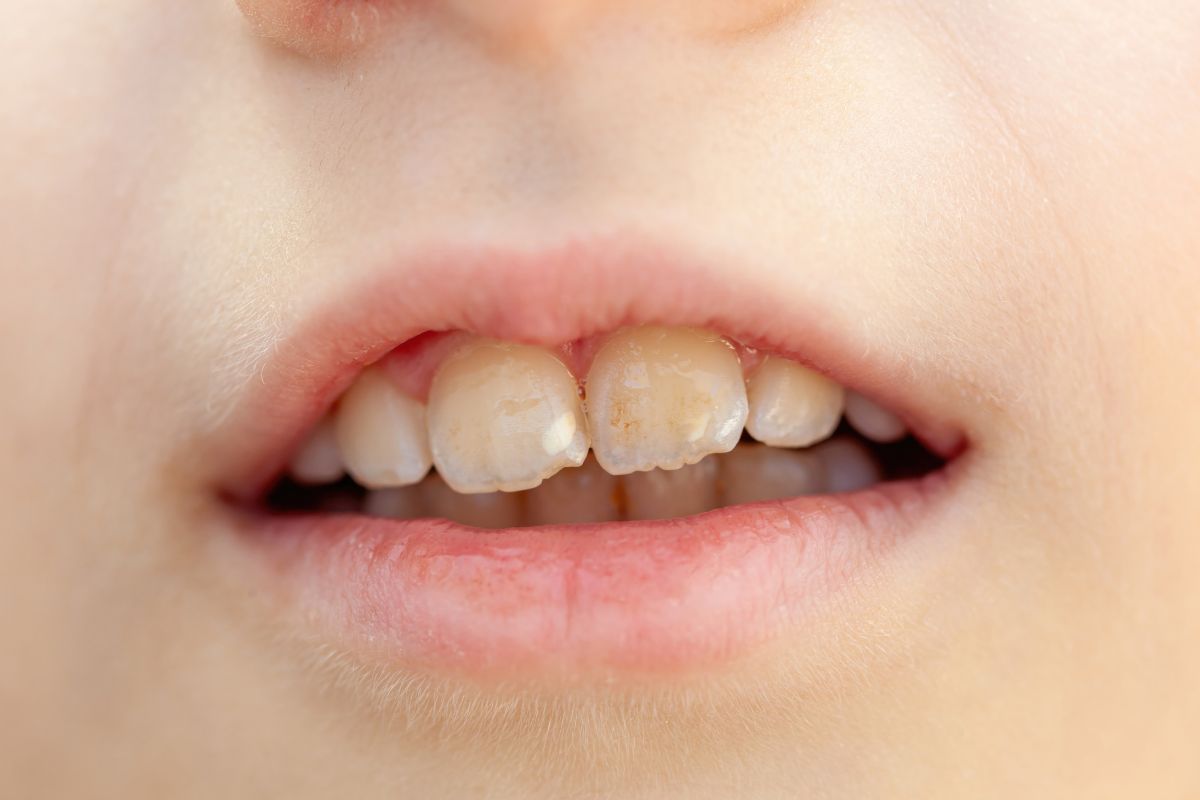
Have you ever noticed a small white patch or chalky mark on one of your teeth while looking in the mirror? Although these spots may seem minor, they are often more common than many people realize. White spots can develop on both children’s and adults’ teeth and may appear after orthodontic treatment, dietary changes, or certain oral health conditions.
In many cases, white marks are not just cosmetic concerns. They can indicate changes in the enamel that deserve attention before they progress into larger dental issues. Understanding why these spots appear and what can be done about them is the first step toward maintaining a healthy, attractive smile.
What Causes White Spots on Teeth?
White spots generally occur when minerals are lost from the outer layer of the tooth, known as enamel. This process, called demineralization, weakens the enamel and changes its appearance. The result is a noticeable white or chalky area that stands out against the tooth’s natural color.
Several factors can contribute to the development of white spots:
Poor Oral Hygiene
When plaque accumulates on the teeth, acids produced by bacteria begin to attack the enamel. This is especially common around orthodontic brackets, crowded teeth, or areas that are difficult to clean properly. Over time, mineral loss can create visible white patches.
Frequent Consumption of Sugary or Acidic Foods
Foods and beverages high in sugar or acid can gradually wear down enamel. Soft drinks, sports drinks, citrus fruits, and sugary snacks increase the risk of demineralization, particularly when consumed frequently throughout the day.
Dry Mouth
Saliva plays an important role in protecting teeth by washing away food particles and helping replace lost minerals. When saliva production decreases, enamel becomes more vulnerable to damage, increasing the likelihood of white spots.
Early Tooth Decay
White spots are often one of the earliest visible signs of tooth decay. Before a cavity forms, the enamel may begin losing minerals, creating a chalky appearance on the tooth surface.
Excessive Fluoride Exposure
While fluoride is beneficial for strengthening enamel, too much fluoride during tooth development can lead to a condition called fluorosis. This may cause white streaks, patches, or discoloration on permanent teeth.
For patients concerned about white spots, cosmetic dental treatments may help improve their appearance. However, determining the underlying cause is essential before selecting the most appropriate treatment.
Do White Spots Always Indicate Enamel Damage?
Not necessarily. While white spots often suggest some degree of mineral loss, they do not always indicate permanent enamel damage.
In some situations, the spots may be caused by temporary dehydration of the teeth or mild enamel irregularities that do not significantly affect oral health. However, because white spots can also represent the earliest stage of decay, they should never be ignored.
Think of white spots as a warning signal. They indicate that something has changed in the enamel and that a professional evaluation may be beneficial. Early intervention can often prevent the need for more extensive treatment later. If you’re unsure what’s causing the white spots on your teeth, contact a trusted dentist to get clarity and understand whether your enamel needs attention.
When Should You Be Concerned About White Spots?
Not every white mark requires immediate dental treatment, but certain signs may indicate the need for professional care.
Consider scheduling a dental evaluation if you notice:
- White spots become larger or more visible over time
- A rough or chalky texture on the affected tooth
- Increased sensitivity to hot, cold, or sweet foods
- Spots appearing near the gumline
- Multiple areas of discoloration developing at once
A comprehensive dental examination can help determine whether the spots are related to dehydration, fluorosis, enamel demineralization, or another underlying issue.
Treatment Options for White Spots on Teeth
The most effective treatment depends on the cause, severity, and location of the white spots. Modern dentistry offers several options to improve appearance while supporting enamel health.
Remineralization Therapy
In the early stages of demineralization, fluoride treatments and specialized remineralizing products may help restore lost minerals in the enamel. This approach can strengthen weakened areas and reduce the visibility of mild white spots.
Professional Teeth Whitening
In some cases, whitening treatments can help create a more uniform tooth color by reducing the contrast between white spots and surrounding enamel. A dental professional can determine whether whitening is appropriate for your situation.
Resin Infiltration
This minimally invasive treatment involves applying a specialized resin that penetrates porous enamel. The resin blends with the tooth structure, improving appearance while helping stabilize weakened enamel.
Dental Bonding
For more noticeable discoloration, tooth-colored bonding material can be applied to the affected area. Bonding provides an attractive, natural-looking result while preserving most of the tooth structure.
Porcelain Veneers
When white spots are extensive or resistant to other treatments, veneers may offer a long-lasting cosmetic solution. Thin porcelain shells are placed over the front surfaces of teeth to create a bright, even smile.
Because every patient has unique dental needs, a personalized treatment plan is essential for achieving the best outcome.
How to Prevent White Spots from Developing
Protecting your enamel starts with consistent oral care and healthy daily habits. Preventive measures can significantly reduce the risk of developing white spots and other enamel-related concerns.
Here are several ways to help maintain strong, healthy teeth:
- Brush your teeth twice a day using fluoride toothpaste
- Floss daily to remove plaque and debris between teeth
- Limit sugary snacks and acidic beverages
- Drink plenty of water throughout the day
- Schedule routine dental checkups and professional cleanings
- Follow proper oral hygiene practices when wearing braces or aligners
- Use dental products recommended by your dentist
Prevention is often simpler, more affordable, and more effective than treating advanced enamel damage.
Protect Your Teeth with Expert Dental Care in Beverly Hills
White spots on teeth may seem like a minor cosmetic issue, but they can sometimes signal early enamel changes that deserve professional attention. Identifying the cause early allows you to protect your teeth, improve their appearance, and maintain long-term oral health.
At My Dental Office of Beverly Hills, our team is committed to helping patients achieve healthy, confident smiles through personalized preventive, restorative, and cosmetic dental care. Whether you’re concerned about enamel changes, tooth discoloration, or overall oral health, we’re here to help.
If you’ve noticed white spots on your teeth and want expert guidance, schedule a visit with our Beverly Hills dental office today.
FAQs About White Spots on Teeth
1. Can white spots on teeth go away on their own?
Some minor white spots caused by temporary dehydration may become less noticeable over time. However, spots caused by enamel demineralization or fluorosis usually do not disappear without treatment. A dental examination can determine the underlying cause and appropriate solution.
2. Are white spots on teeth a sign of cavities?
White spots can be one of the earliest signs of tooth decay. They often indicate that minerals have been lost from the enamel before a cavity forms. Early treatment can help strengthen the tooth and prevent further damage.
3. Can teeth whitening remove white spots?
Professional teeth whitening may help blend the color difference between white spots and surrounding enamel. However, whitening is not always the best solution for every case. Your dentist can recommend the most effective treatment based on the cause of the spots.
4. Do braces cause white spots on teeth?
Braces themselves do not cause white spots, but plaque buildup around brackets can lead to enamel demineralization. This often happens when oral hygiene is difficult to maintain during orthodontic treatment. Proper brushing and flossing can help reduce the risk.
5. Is fluorosis harmful to my teeth?
Dental fluorosis is generally a cosmetic condition caused by excessive fluoride exposure during tooth development. While it can create white streaks or patches on teeth, it usually does not affect tooth function or overall oral health.
6. What treatments are available for white spots on teeth?
Treatment options may include fluoride therapy, remineralization treatments, resin infiltration, dental bonding, veneers, or professional whitening. The best option depends on the severity and cause of the discoloration. A dentist can create a personalized treatment plan.
7. How can I prevent white spots from developing?
Maintaining good oral hygiene, limiting sugary and acidic foods, drinking plenty of water, and attending regular dental checkups can help protect enamel. Using fluoride toothpaste and following your dentist’s recommendations can also reduce the risk of white spots forming.