
April 20, 2026
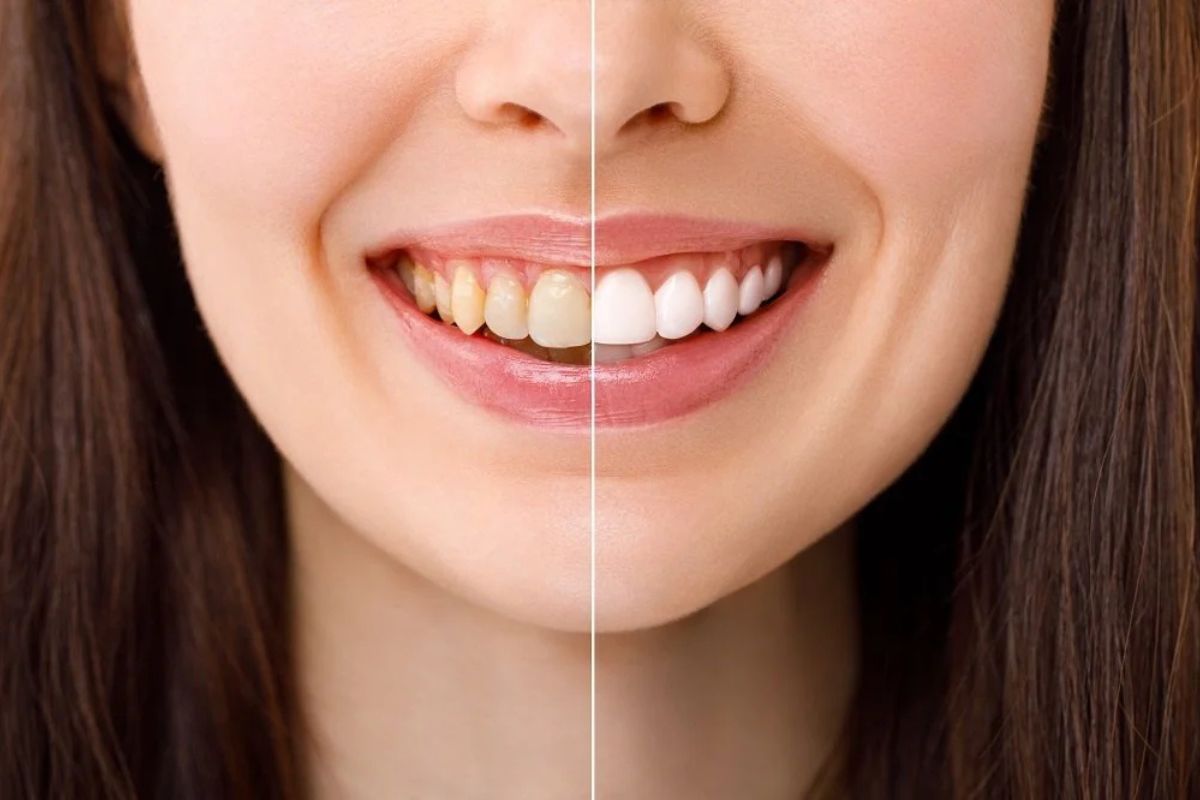
In Beverly Hills, a bright smile is part of everyday life. Whether you are heading to brunch with friends or stepping into a meeting, your smile often speaks before you do. It is no surprise that teeth whitening has become one of the most popular cosmetic dental treatments in the area. But with that popularity comes a common concern. Can whitening your teeth actually harm your enamel? If you have ever wondered whether a brighter smile comes with hidden risks, you are not alone.
Before choosing any whitening method, understanding the facts can help you make the best decision for your smile.
What is Tooth Enamel?
Before talking about whitening, it helps to understand enamel itself. Enamel is the outer layer of your teeth. It is the hardest substance in your body, even stronger than bone. It protects the softer inner layers from decay, sensitivity, and daily wear.
Even though enamel is strong, it is not invincible. It does not grow back once it wears down. That is why people get concerned about anything that might weaken it, including whitening.
What Happens During Teeth Whitening?
Teeth whitening works by using bleaching agents, usually hydrogen peroxide or carbamide peroxide. These ingredients break down stains into smaller particles, making your teeth appear brighter.
The process does not scrape or remove enamel. Instead, it penetrates the enamel to target discoloration beneath the surface. That is an important distinction, because many people assume whitening strips away enamel, which is not how it works. When done correctly, whitening is considered safe and effective.
Where the Concern Comes From
The idea that whitening damages enamel often comes from misuse or overuse. Problems can arise when people:
- Use whitening products too frequently
- Leave products on longer than recommended
- Choose low-quality or unregulated products
- Ignore existing dental issues like cavities or gum disease
In these situations, teeth can become sensitive, and enamel may weaken over time. The issue is not the whitening itself. It is how it is used.
Professional Whitening vs. At-Home Options
Not all whitening methods are created equal. This is where many people unknowingly put their enamel at risk.
Professional Whitening
When a dentist performs whitening, they first evaluate your oral health. They check for signs of enamel erosion, gum issues, or underlying problems. Then they use controlled concentrations of whitening agents designed to minimize risk.
This is where a proper Teeth Whitening Treatment stands out. It is tailored to your teeth, your sensitivity level, and your goals. The results are more predictable, and the risk of enamel damage is extremely low.
Over-the-Counter Products
Whitening strips and gels can be convenient, but they come with limitations. You are essentially guessing what your teeth need. Some products may be too strong, while others may not work at all.
Overuse is common. People often think that more applications will lead to faster results, which can lead to sensitivity and irritation.
Does Whitening Cause Sensitivity?
Whitening agents can temporarily open microscopic pores in your enamel, allowing them to reach stains. During this time, your teeth may feel more sensitive to hot or cold foods.
This does not mean your enamel is damaged. In most cases, the sensitivity fades within a few days after treatment. Dentists often use desensitizing agents to reduce this effect, which is another reason professional care makes a difference.
Lifestyle Habits That Affect Whitening
Your everyday choices directly impact both the brightness of your smile and the strength of your enamel. Here’s a more detailed breakdown:
Staining Foods & Beverages
- Coffee, tea, red wine, and dark sodas contain pigments that gradually stain teeth.
- Deep-colored foods like berries, tomato-based sauces, and soy sauce can also contribute to discoloration.
- Frequent consumption increases the likelihood of stains setting into the enamel.
Tobacco Use
- Smoking or chewing tobacco leads to stubborn yellow or brown stains.
- Nicotine and tar not only discolor teeth but can also harm gum health.
Acidic Foods & Drinks
- Citrus fruits, vinegar-based foods, carbonated drinks, and sports drinks can weaken enamel.
- When enamel erodes, teeth become more porous and prone to staining.
Poor Oral Hygiene Habits
- Inconsistent brushing and flossing allow plaque buildup, which attracts stains.
- Skipping regular dental cleanings can make discoloration harder to remove.
Frequent Snacking or Sipping
- Constant exposure to staining or acidic substances gives teeth little time to recover.
- Sipping coffee or soda throughout the day is more harmful than consuming it quickly.
How to Protect Your Whitening Results
If you are investing in whitening treatments, maintaining your results requires a little extra care:
- Rinse After Eating or Drinking
- Swishing water after consuming staining foods helps wash away pigments before they settle.
- Use a Straw When Possible
- Drinking beverages like iced coffee or soda through a straw reduces direct contact with teeth.
- Maintain a Strong Oral Care Routine
- Brush twice daily with a fluoride toothpaste.
- Floss regularly to remove plaque between teeth.
- Schedule Regular Dental Cleanings
- Professional cleanings help remove surface stains and keep your smile bright.
- Limit High-Risk Habits
- Cut back on tobacco and reduce intake of highly pigmented or acidic foods.
- Consider Touch-Up Treatments
- Occasional whitening touch-ups can help maintain consistent brightness over time.
By being mindful of these habits, you not only extend the life of your whitening results but also protect your enamel for long-term oral health.
Brighten Your Smile Without Compromising Tooth Health
A brighter smile should never compromise your enamel. When you take the right steps and rely on professional care, you can achieve noticeable results without unnecessary risks. At My Dental Office of Beverly Hills, our experienced team evaluates your dental health and guides you on how to whiten your teeth without damaging your enamel.
Visit our dental office in Beverly Hills and discover a personalized approach that keeps your enamel strong while whitening your teeth.
FAQs About Teeth Whitening and Protecting Tooth Enamel
1. Can teeth whitening actually damage enamel?
Teeth whitening does not typically damage enamel when used correctly and under professional guidance. Most whitening products use safe concentrations of bleaching agents that work on surface stains rather than altering enamel structure. Following instructions and consulting a dentist helps ensure safe results.
2. Why do some people experience sensitivity after whitening?
Tooth sensitivity after whitening occurs because bleaching agents temporarily open microscopic pores in the enamel. This allows stimuli like hot or cold temperatures to reach the inner layers of the tooth. The sensitivity is usually mild and short-lived, resolving within a few days. Using desensitizing toothpaste can help reduce discomfort.
3. Are professional whitening treatments safer than at-home kits?
Professional whitening treatments are generally safer because they are supervised by dental experts. Dentists use controlled concentrations of whitening agents and take precautions to protect gums and enamel. At-home kits can also be safe, but misuse or overuse increases the risk of irritation or sensitivity. Professional guidance ensures more predictable and safer outcomes.
4. Can overusing whitening products harm your teeth?
Yes, overusing whitening products can lead to enamel dehydration and increased sensitivity. Frequent or prolonged exposure to bleaching agents may irritate the gums and weaken the tooth surface over time. It is important to follow recommended usage guidelines and avoid excessive treatments.
5. Do natural or DIY whitening methods protect enamel better?
Not always. Some DIY methods, such as using baking soda or acidic substances like lemon juice, can actually wear down enamel. Unlike regulated whitening products, these methods lack scientific backing and can be abrasive. It is safer to use dentist-approved products designed specifically for enamel protection.
6. Is teeth whitening safe for everyone?
Teeth whitening is not suitable for everyone, especially those with weakened enamel, untreated cavities, or gum disease. Pregnant individuals and children are often advised to avoid whitening treatments. A dental consultation can determine whether whitening is appropriate for your specific condition.