
September 12, 2025
When it comes to improving your smile, dental veneers are one of the most popular cosmetic dentistry treatments available today. They are thin shells placed over the front of your teeth to correct chips, stains, gaps, or uneven shapes, giving you a brighter and more confident smile.
According to the National Institute of Dental and Craniofacial Research, many Americans are concerned with the appearance of their teeth, and cosmetic treatments like veneers can make a significant difference in both dental health and self-esteem. If you have been wondering what the best type of veneers is for your needs, it helps to understand the different options available before making a decision.
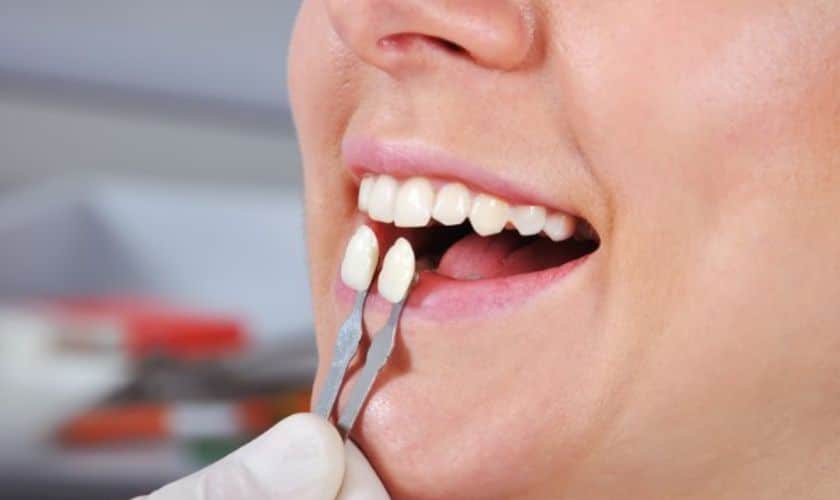
Dental veneers are custom-made shells that cover the front surface of teeth. They can be made from porcelain, composite resin, or other advanced materials. Veneers are designed to mimic the natural look of teeth while improving color, size, or alignment. Many patients choose veneers because they provide a long-lasting, natural-looking result with minimal discomfort.
Before deciding what is the best type of veneers, you may also want to check out our guide on tips for a successful dental veneers procedure to ensure long-lasting results.
What Are the Different Types of Teeth Veneers?
There are several types of veneers available, and each comes with its own set of benefits and considerations.
Porcelain Veneers
Porcelain veneers are the most popular option. They are highly durable, stain-resistant, and closely resemble natural teeth. Because they reflect light like natural enamel, they give a very realistic appearance. Porcelain veneers are a great long-term investment for patients looking for durability and aesthetics.
Composite Veneers
Composite veneers are made of resin material and can often be applied in a single visit since they are shaped directly onto the tooth. While they look natural, they may not last as long as porcelain and are more prone to staining.
Lumineers
Lumineers are a brand of ultra-thin porcelain veneers. They often require little to no tooth reduction before placement, making them a less invasive option. While they provide a natural look, they may not be suitable for patients with more significant dental imperfections.
Removable Veneers
Removable or snap-on veneers are a temporary option that can be worn for cosmetic purposes. They are not meant to replace permanent dental treatment but can be helpful for short-term aesthetic improvements. However, they may not feel as natural or provide the same durability as permanent veneers.
Factors to Consider When Choosing Veneers
When deciding on the best type of veneers, your choice should depend on several factors:
Aesthetic Goals – Do you want a natural look, or are you more focused on practicality?
Durability – Porcelain veneers can last 10–15 years, while composite veneers usually last 5–7 years.
Tooth Condition – The health of your existing teeth and gums can determine which option is best.
Budget – Different materials come at different costs, and your dentist can guide you on what fits both your needs and your budget.
Why Professional Guidance Is Important
While researching options is a good first step, only a dentist can recommend the best veneers for your unique smile. Every patient’s teeth, bite, and oral health are different, and professional evaluation ensures that you get long-lasting, safe, and natural-looking results.
For patients looking into different types of veneers in Beverly Hills, visiting an experienced dental team makes all the difference. At My Dental Office of Beverly Hills, patients receive customized treatment plans, advanced technology, and veneers designed to create beautiful, lasting smiles.
Frequently Asked Questions
Q: How long do veneers usually last?
A: Porcelain veneers can last more than a decade with good oral care, while composite veneers generally last several years before needing replacement.
Q: Do veneers damage natural teeth?
A: When done correctly, veneers do not damage natural teeth. Your dentist may remove a very thin layer of enamel, but this is necessary for proper fit.
Q: Can veneers fix gaps in teeth?
A: Yes, veneers can cover small gaps, chips, or irregularly shaped teeth to create a more even smile.
Q: Are veneers stain-resistant?
A: Porcelain veneers are highly resistant to staining, while composite veneers may discolor more easily over time.
Q: Is the veneer procedure painful?
A: Most patients experience little to no discomfort. Local anesthesia can be used during preparation, and recovery is generally smooth.
Dental veneers are an excellent way to transform your smile, but the best type for you depends on your individual needs, goals, and oral health. Understanding the different options helps you make an informed decision. For personalized care and expert guidance, trust My Dental Office of Beverly Hills to help you achieve the smile you have always wanted.